PhD
PhD by Research
Our PhD by research programme is based on independent study, guided by your assigned supervisors and support system. It typically [...]

Petros’ research focuses on the conservation status and ecological needs of Patella ferruginea (Gmelin, 1791), the most endangered marine macroinvertebrate inhabiting the rocky shores of the Western Mediterranean. This species has suffered a significant decline in relative abundance, primarily due to anthropogenic pressures, which remain the leading cause of elevated mortality rates.
In response to these threats, Patella ferruginea is protected under a range of international and national legislation, including Annex IV of the EU Habitats Directive, Annex II of both the Berne and Barcelona Conventions, and the Gibraltar Nature Protection Ordinance (No. 2608).
Notably, Patella ferruginea displays two distinct morphotypes: Rouxi, which features a taller, more symmetrical shell, and Lamarcki, characterised by a flatter, asymmetrical shell. Historically considered separate species, these morphotypes underscore the complexity of the species’ taxonomy and conservation management.
This research seeks to better understand the ecological and physiological roles of these morphotypes, particularly in relation to temperature regulation, which may hold key implications for the species’ resilience to climate change.
Funders: HM Government of Gibraltar – Commonwealth Scholarship
Project lead: Mr Petros Dimitriou
Supervisors: Dr Darren Fa (Primary Supervisor), Dr Awantha Dissanayake (Secondary Supervisor), Prof Free Espinosa-Torre (Secondary Supervisor)
This study provides vital insights into the conservation of Patella ferruginea (Gmelin, 1791), one of the most critically endangered marine molluscs in the Western Mediterranean. By investigating the ecological and evolutionary dynamics of its two distinct morphotypes—Rouxi and Lamarcki—the research aims to deepen our understanding of the species’ adaptability to environmental pressures and anthropogenic threats.
Uncovering the morphological differences and resilience mechanisms between these morphotypes is essential for informing effective, targeted conservation strategies. Ultimately, the findings will advance scientific understanding of marine biodiversity, while shedding light on the specific ecological factors that influence the survival of endangered species in coastal environments.
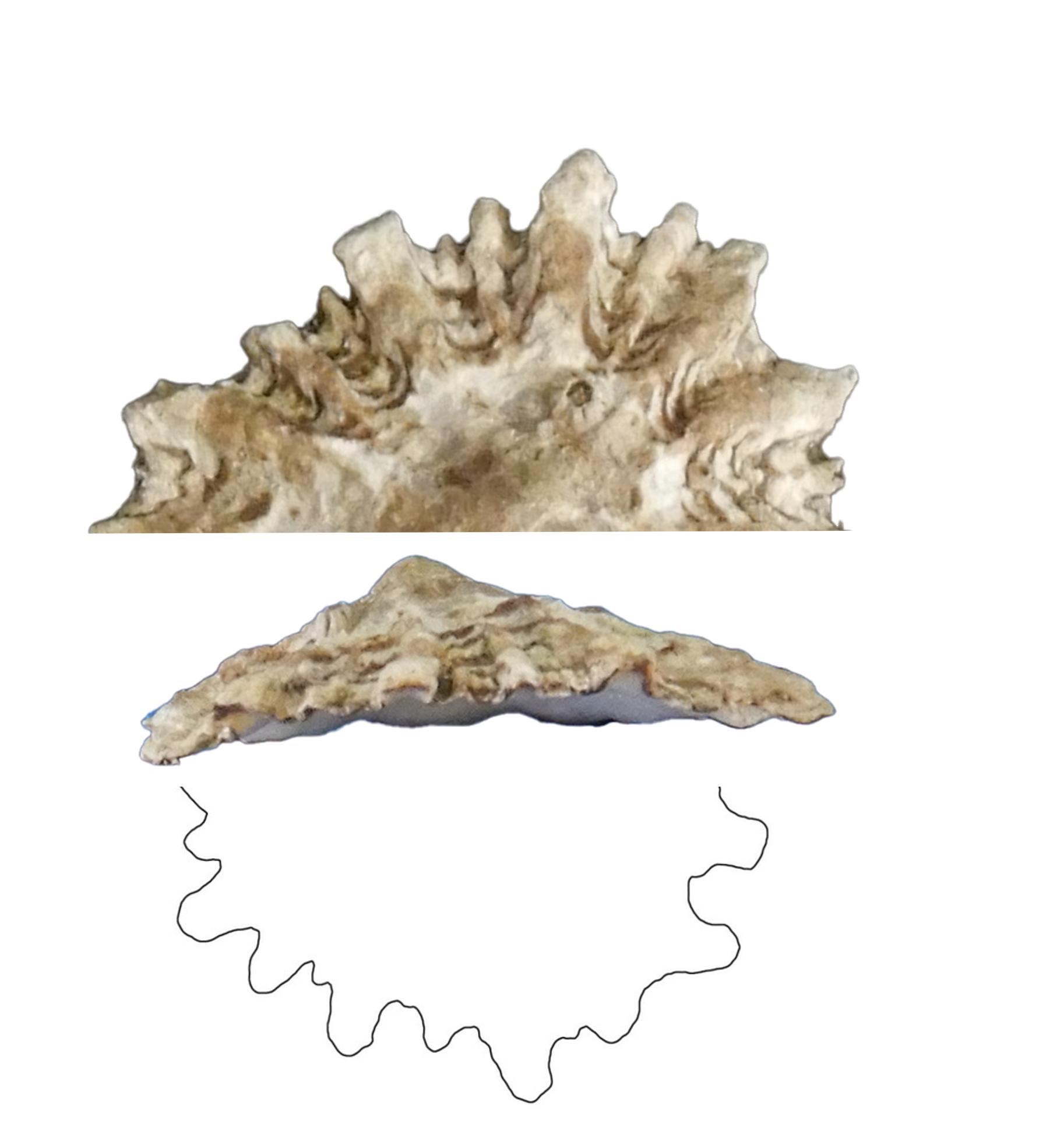
This study employed an integrated methodological approach to investigate Patella ferruginea, with the aim of validating morphotype identification techniques and exploring ecological responses to environmental stressors. A total of 180 specimens, representing both the Rouxi and Lamarcki morphotypes, were assessed to verify the accuracy of a predictive formula based on specific morphometric measurements.
High-resolution photographs of each individual were taken, and key physical dimensions were recorded directly in the field. To map spatial distribution, measuring tapes were laid along the shoreline, and the position of each limpet was documented relative to tidal levels.
Following identification, specimens were categorised into distinct morphotype groups based on shell characteristics. Environmental factors linked to anthropogenic pressures were evaluated to assess their potential influence on population dynamics. In addition, 3D digital models of the shells were generated to investigate the relationship between morphology and thermal regulation.
To complement the morphological and ecological analyses, biochemical assessments of heat-shock protein (HSP) expression were conducted. This allowed for the examination of physiological stress responses and provided deeper insights into the species’ adaptive capacity under varying environmental conditions.
Together, these methodologies offered a comprehensive framework for understanding the ecological dynamics of Patella ferruginea, informing future conservation strategies for this endangered species.
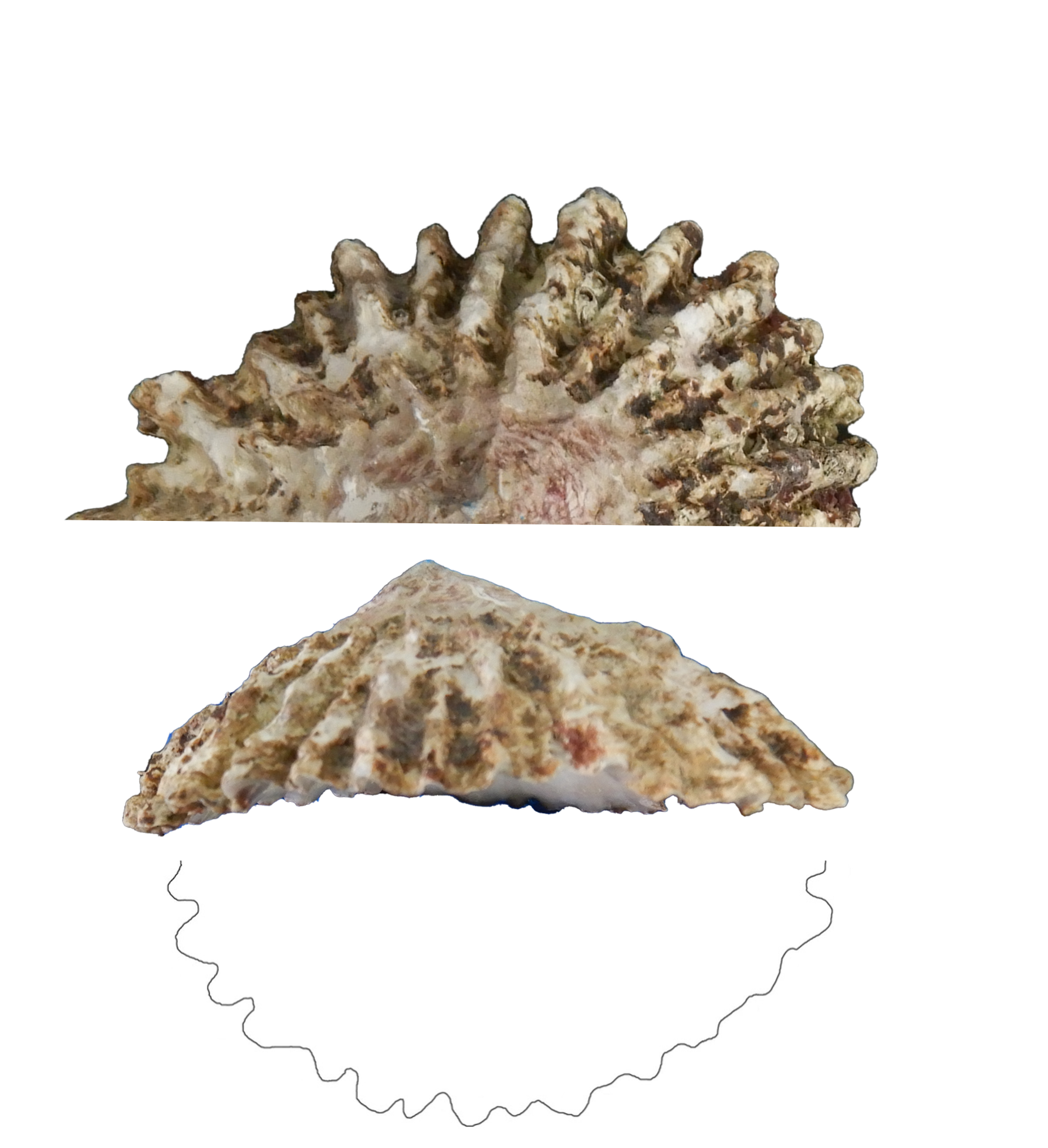
The conservation of Patella ferruginea carries important implications beyond the field of marine ecology, extending to the wellbeing of coastal communities that depend on resilient and biodiverse marine ecosystems. As a key species in intertidal zones, P. ferruginea plays a crucial role in maintaining ecological balance, influencing local food webs, and supporting the overall health of rocky shore habitats.
Safeguarding this species contributes to the sustainability of ecosystem services that underpin regional fisheries, coastal tourism, and recreational activities. Moreover, the findings from this research offer valuable insights for policymakers and conservation practitioners, supporting evidence-based strategies to mitigate human impacts on marine environments. By raising awareness of biodiversity loss and promoting responsible stewardship, this study fosters a broader appreciation of marine conservation among both the public and decision-makers.
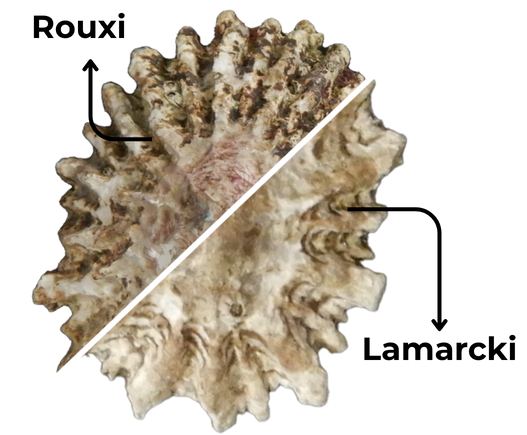
This research into Patella ferruginea has the potential to generate significant impacts within marine conservation, scientific knowledge, and community engagement. It provides a foundation for new understanding of morphotype-specific adaptations and stress responses in a critically endangered intertidal species—insights that could open new lines of investigation in evolutionary ecology and inform conservation practices in similar contexts.
A key anticipated outcome is the establishment of a predictive identification framework for P. ferruginea morphotypes, which may help define new ecological and taxonomic baselines. This could support future research into phenotypic plasticity and inform targeted monitoring strategies in marine invertebrate conservation.
If effectively disseminated, the findings of this study could inform evidence-based recommendations for the protection of P. ferruginea and its habitats. There is strong potential for engagement with governmental and non-governmental organisations through future data sharing, policy briefings, and collaborative initiatives. These interactions may contribute to the refinement of local and international marine conservation policies, including those aligned with the EU Habitats Directive and Mediterranean biodiversity strategies.
Furthermore, the outcomes of this research could underpin the development of educational workshops and community outreach programmes aimed at increasing local awareness of the species’ ecological role. Through these efforts, the project could foster greater public understanding and encourage community-driven conservation action.
Finally, the establishment of long-term monitoring protocols, informed by this research, would support adaptive management approaches responsive to climate variability and human-induced pressures. In doing so, this work has the potential to contribute to the long-term resilience of rocky shore ecosystems and the sustainable recovery of Patella ferruginea populations.

© Copyright 2026 University of Gibraltar. All rights reserved. Registered charity no. 273

