PhD
PhD by Research
Our PhD by research programme is based on independent study, guided by your assigned supervisors and support system. It typically [...]

Bethany’s research focuses on the complex relationship between humans and Barbary macaques in Gibraltar. The study seeks to explore the perceptions, behaviours, and interactions of both residents and tourists with the macaques, shedding light on their cultural significance as well as areas of conflict or harmony. A multi-disciplinary approach is employed to achieve a comprehensive understanding of the social perceptions of macaques among Gibraltarian residents, including the impact of exposure and factors influencing individual perceptions. The research also examines visitor interactions with macaques in key sites within the Upper Rock Nature Reserve, providing insights into human-macaque dynamics. Additionally, the perspectives of various stakeholders involved in macaque management are explored, which are crucial for developing effective strategies for sustainable conservation. Finally, the potential for citizen science to contribute to monitoring and management efforts is evaluated. This combination of research aims to inform a well-rounded understanding of current challenges and opportunities, contributing to the development of effective monitoring and management plans.
Funders: HM Government of Gibraltar
Project lead: Ms Bethany Maxwell
Supervisors: Dr Matt Reed (Primary Supervisor) and Prof Julia Fa (Secondary Supervisor).
The significance of this study lies in its contributions to understanding the interactions between humans and Barbary macaques in Gibraltar, with broader implications for wildlife management, conservation, and community well-being. By exploring the perceptions and cultural significance of Barbary macaques, the study highlights the unique relationship between these animals and the residents and tourists of Gibraltar, fostering greater appreciation for their importance in local culture and ecology. The research examines how human behaviours and environmental factors impact macaque interactions, providing insights that inform effective management strategies to balance the needs of both the macaques and the human population. This understanding reduces potential conflicts while promoting harmonious coexistence.
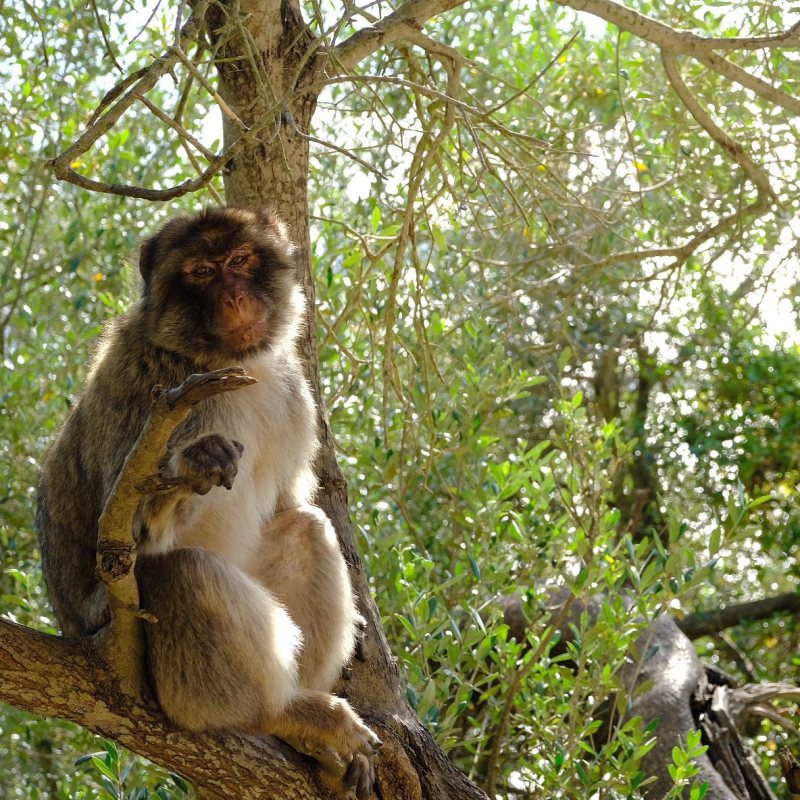
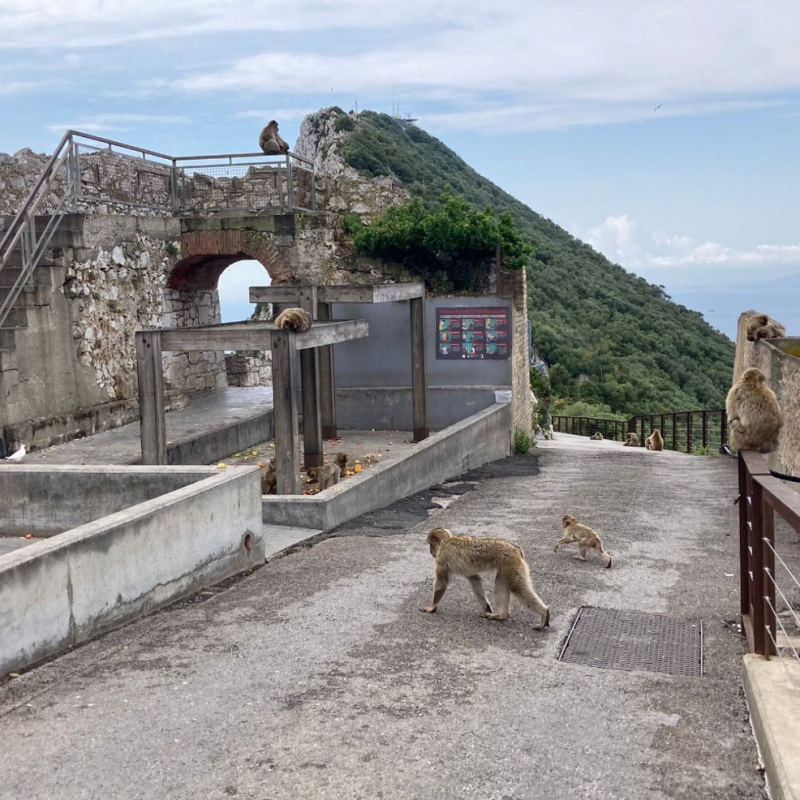
The study begins with an examination of social perceptions of macaques among Gibraltarian residents, accomplished through an online survey that addresses the impact of exposure on perceptions, factors influencing individual views, and understanding of management practices. Secondly, the research quantifies behaviours and interactions between visitors and macaques through behavioural observation methodologies at two key sites: Prince Philip’s Arch and St. Michael’s Cave in the Upper Rock Nature Reserve. These observations provide valuable insights into the dynamics within the reserve and examine the implications of human-macaque interactions. Potential variations highlight disparities in environmental factors and human presence, which proves crucial for effective macaque management. Thirdly, the research explores the perspectives of various stakeholders involved in macaque management, whose insights are essential for developing effective strategies for sustainable macaque conservation. Lastly, the study investigates the potential for citizen science to play a role in monitoring and management. The combination of data collected informs a comprehensive understanding of the current scenario, identifying challenges and opportunities for an effective monitoring and management plan.
Collaborators
Supporters/Acknowledgements
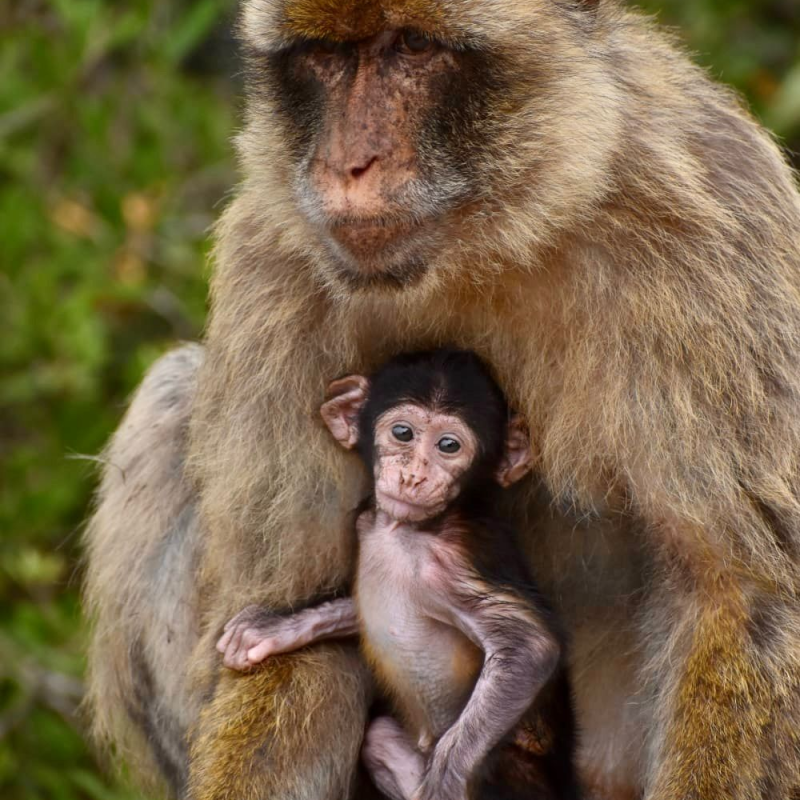
The relevance of this study to the wider community is significant, especially in fostering understanding regarding the management of Barbary macaques in Gibraltar. The study raises awareness of the cultural and ecological role that Barbary macaques play in the local environment. By highlighting their significance to both residents and tourists, the research promotes appreciation and respect for wildlife, encouraging community members to engage in conservation efforts. The exploration of citizen science, in particular, encourages the community to take an active role in monitoring and managing macaque populations. This involvement can strengthen community ties and instil a sense of responsibility toward wildlife conservation.

The pathways to impact for this study encompass several key areas that can lead to meaningful changes in wildlife management, community engagement, and conservation practices. By understanding the perceptions and behaviours of residents and tourists towards Barbary macaques, the study can promote stakeholder engagement and raise awareness of the importance of respecting and protecting these animals. This understanding supports the development of evidence-based management strategies that consider the unique dynamics of Gibraltar, promoting effective and sustainable solutions for coexistence. Engaging various stakeholders such as The Department of Environment, Sustainability, Climate Change, Heritage and Culture and local residents, fosters collaborative approaches to macaque management, creating a sense of shared responsibility for wildlife conservation. Findings may inform local policies and regulations concerning wildlife management, providing a robust evidence base for policymakers. Overall, these pathways contribute to the long-term sustainability of Barbary macaque populations and their habitats, ensuring a future where humans and macaques thrive within Gibraltar.
Peer-Reviewed Publications
Conferences
Public talks/lectures

© Copyright 2026 University of Gibraltar. All rights reserved. Registered charity no. 273

