PhD
PhD by Research
Our PhD by research programme is based on independent study, guided by your assigned supervisors and support system. It typically [...]

The project aims to improve our understanding of wetlands in drylands and establish their importance in relation to the regional and global carbon stock. Wetlands in southwest Spain are of vital importance to migrating birds and are a major tourist destination, attracting bird watchers and nature lovers alike. The wetlands also provide a wealth of ecosystem services, the most prominent being sea salt extraction via flooded salt pans. However, major threats to this landscape from intensive agriculture, drainage of the salt marshes, pollution from the mining industry, and climate change, are all causes for major concern and require appropriate management. Developing a framework for integrated management will be at the core of the project, particularly through embedding science into policy.
Funders: HM Government of Gibraltar
Sponsors: Parasol Foundation
Project lead: Ms Tasmin Griffith
Supervisors: Dr Keith Bensusan (Primary Supervisor), Professor Andrew Thomas (Secondary Supervisor, Aberystwyth University), Prof Stephen Tooth (Secondary Supervisor, Aberystwyth University).
Wetlands play an essential role in the global ecosystem, acting as critical carbon sinks and providing invaluable services such as water purification, flood protection, and habitat for diverse species. However, they face increasing threats from anthropogenic pressures, climate change, and land use changes. Understanding these threats and how they affect the delivery of ecosystem services is paramount for effective conservation. This research specifically examines the Doñana National Park, a flagship wetland site, to fill the knowledge gap regarding soil carbon dynamics and their interactions with environmental stressors. Through rigorous field and laboratory studies, the project aims to provide robust data that will enhance our understanding of the carbon cycle within wetlands. Additionally, it seeks to integrate scientific findings into management practices, contributing to more effective policy-making. By aligning with global conservation priorities, this research seeks to inform strategies that bolster wetland resilience, ensuring these ecosystems continue to thrive despite mounting challenges. The potential contributions to climate change mitigation strategies further underscore the importance of this research, which has implications for both local and global environmental sustainability.
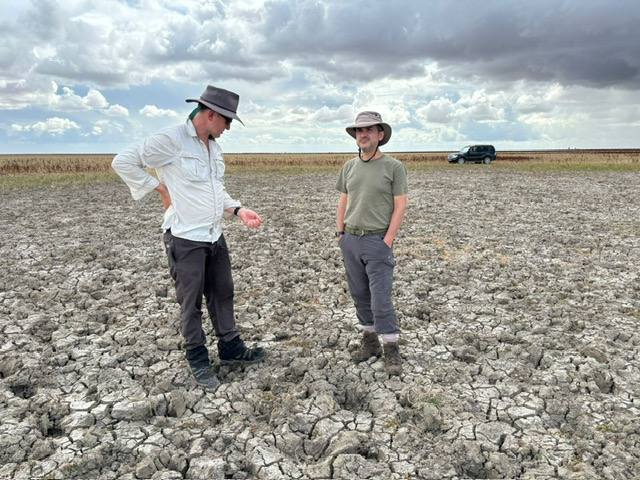
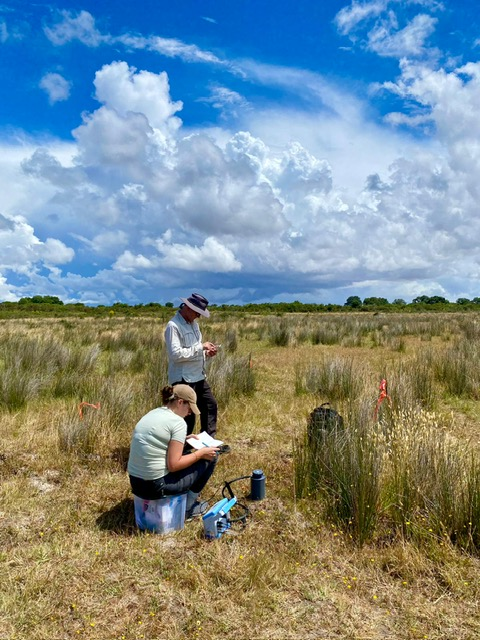
Fieldwork across multiple sites in Doñana National Park involves soil and gas sampling to assess carbon stocks and greenhouse gas fluxes. Measurements account for spatial and seasonal variability, with environmental conditions like temperature and moisture recorded. Data analysis explores patterns and informs conservation efforts.
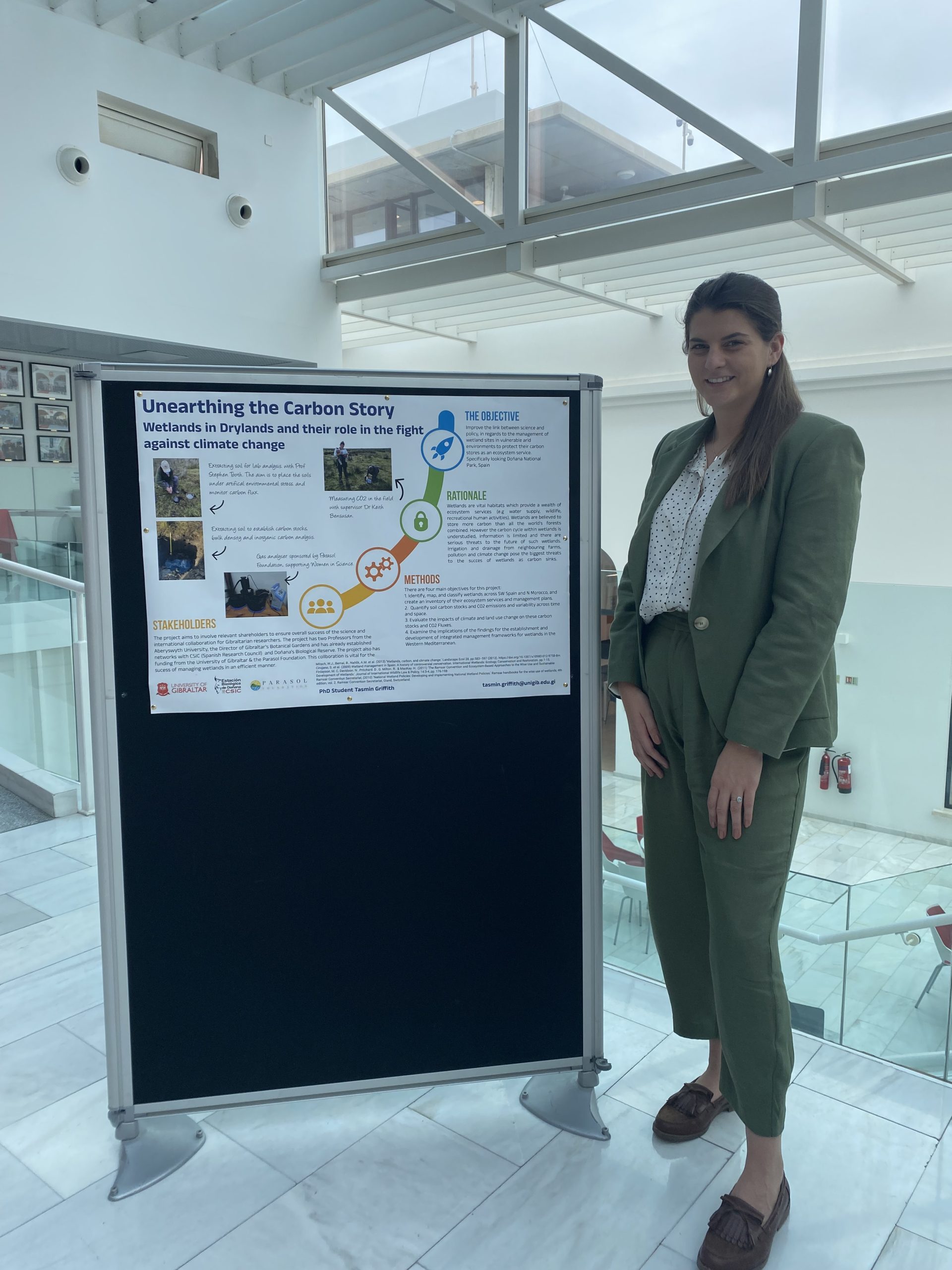
The outcomes of this research will likely resonate with wider communities, particularly in regions reliant on wetland ecosystem services. Wetlands serve as buffers against flooding, improve water quality, and provide recreational and economic opportunities for local populations. By enhancing the understanding of wetlands’ functions and their responses to climate change, this project empowers local stakeholders to advocate for more effective management policies. The identification of scientific and socio-political barriers to integrated management will facilitate collaboration among policymakers, scientists, and community members, fostering a collective approach to sustainable development. Moreover, the research addresses critical societal challenges, such as biodiversity loss and habitat degradation, which directly affect community wellbeing. Ultimately, the research reinforces the notion that sustainable wetland management is not just an environmental concern but a community imperative, highlighting the interconnectedness of human health, economic prosperity, and ecological balance.
This project pursues multiple avenues to enhance its scientific and practical impact. It generates valuable data, engages stakeholders, and supports adaptable management strategies for environmental resilience. By aligning with global conservation goals and emphasizing the broader benefits of healthy ecosystems, the project contributes to both research and real-world outcomes.

© Copyright 2026 University of Gibraltar. All rights reserved. Registered charity no. 273

