
Location: Conference Hall, Europa Point Campus, University of Gibraltar
Date: 12th June 2026
Time: 08:30 – 17:00
Attendance: invitation only
About this Conference
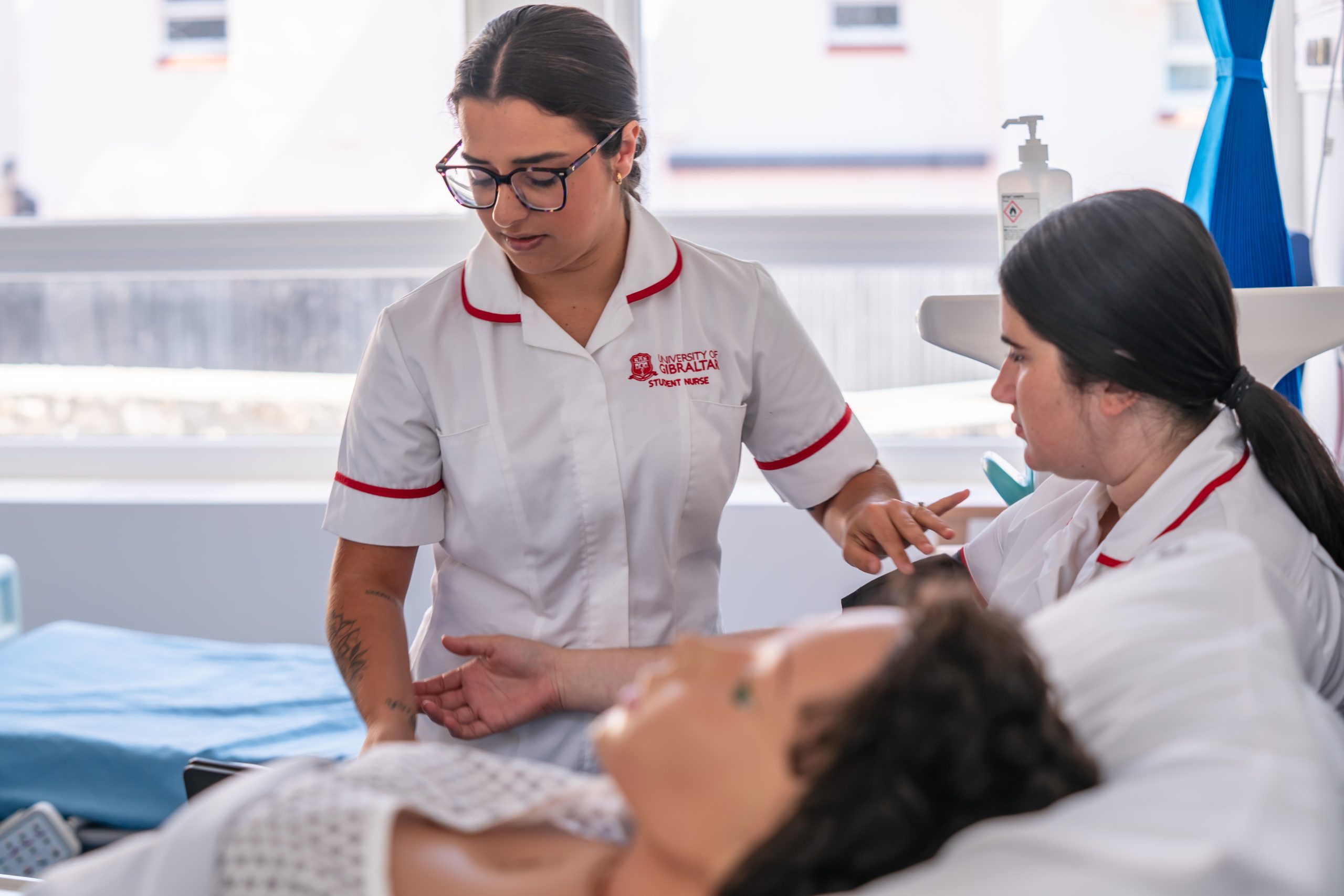
The University of Gibraltar Nursing Conference 2026 marks the fourth annual student nursing conference, celebrating the achievements of our BSc (Hons) Adult Nursing students alongside contributions from colleagues in the Isle of Man, Scotland, and Jersey.
This engaging one-day conference will showcase a diverse range of projects from all three cohorts of the degree programme. Year 1 students will present public health posters, demonstrating their understanding of population health and health promotion. Year 2 students will present resources focused on long-term conditions, highlighting innovative approaches to enhancing patient care and support. Year 3 students will showcase service improvement initiatives, reflecting their ability to lead and contribute to positive change within healthcare settings. International colleagues will also share practice innovations relevant to their respective healthcare environments.
By positioning nursing students as drivers of transformation within healthcare, the conference aims to inspire and empower the next generation of practitioners to make a meaningful impact on patient care and service delivery. Through the dissemination of their work to peers, academics, and healthcare professionals, students will have the opportunity to contribute to the ongoing development of organisations such as the Gibraltar Health Authority, and most importantly, to enhance outcomes and experiences for service users.
Conference Itinerary
For a full breakdown of conference activities click on the button below to view the full itinerary.
Itinerary
| Time | Title | Speaker/Presenter |
|---|---|---|
| 08:30 – 08:55 | Registration | |
| 09:00 – 09:20 | Official Opening | Professor Catherine Bachleda and A/Professor James Vinales HM GoG Patricia Orfila |
| 09:20 – 10:30 | Year 3: Service Improvement Presentations (10 mins. each) | Soraya Wink |
| Louise Bonavia | ||
| Narelle Grech | ||
| Lucy Cartwright | ||
| Christina Soleci | ||
| Jenny Lynn Gouveia Gomes (Jersey) | ||
| Kirsty Keelan (IoM) | ||
| 10:30 – 11:15 | Coffee and network | |
| 11:15 – 12:25 | Year 3: Service Improvement Presentations (10 mins. each) | Stephanie Jimenez |
| Tess Galliano | ||
| Niah Guilling | ||
| Amanda Jackson-Jimenez | ||
| Kaci Brownbridge | ||
| Filipa Cristina Olivenca dos Santos (Jersey) | ||
| Ashley Darnill (IoM) | ||
| 12:25 – 13:00 | Year 1 and Year 2: Resource Presentation / Poster | |
| Year 1 | Lauren Acris Ryan Alman Chelsea Alecio Rubaina Pincho James Turnbull Sara Fernandes Lauren Potter Sienna Ullger-Carreras Silvanna Perez John Alba Garcia Marouan Akhrif Romina Macdonald Mariah Britto Jaydy Gavito Helen Pike Lien Pocock Alberto Sanchez Sara Ryan Chelsea-Anne Grech Charlene Storey Naylin Ward |
|
| Adults Year 2 | Mie Alvarez Daniel Bosio Rihanna Boylan Lucia Cardenas Bernal Corinne Chini Naoufal El Andaloussi Paige Ellwood Zamara Espinosa Jade Francis Kaycee Gonzalez Jolene Kelly Katiuska Laguea Amy Recagno Craig Reyes Natalie Dellipiani Zyanne Farrugia Jade de la Rosa |
|
| Mental Health Year 2 | Adrianne Attard Kelly Bingham Christina Cruz Lauren Desoisa Katiiona Matto Isabelle Olivares Kelly Poggio Amai Walker Francine Terrequi Franzina Nadine Alecio |
|
| 13:00 – 13:45 | Lunch | |
| 13:45 – 14:55 | Year 3: Service Improvement Presentations (10 mins. each) | Tanira Rodriguez |
| Marc Roberts | ||
| Jeremy Rodriguez | ||
| Rosanna Fernandez | ||
| Jae Guthrie | ||
| Feeagh Houghin (IoM) | ||
| Amber Macdonald (IoM) | ||
| 14:55 – 15:15 | Coffee and final review of resources and posters | |
| 15:15 – 16:25 | Year 3: Service Improvement Presentations (10 mins. each) | Lauren Martinez |
| Amaiyah Drakes | ||
| Kaylen Balloqui | ||
| Gaenor Burke (UWS) | ||
| Thomas Edgar (UWS) | ||
| Nickola Sell (UWS) | ||
| Chloe Melville (UWS) | ||
| 16:30 – 17:00 | Plenary / Presentation of Prizes | A/Professor James Vinales |
Conference Participants
Explore the table below for further information on each of the participants projects:
Public Health Poster
Alberto Sanchez
Obesity in Gibraltar: A Public Health Concern
This poster explains obesity as an important public health issue in Gibraltar. It describes the main causes of obesity, including unhealthy diet, lack of physical activity, and lifestyle behaviours. The poster also present common signs and symptoms, health risks, prevention methods, and support services available in Gibraltar. Statistics are included to show the number of adults in Gibraltar who are obese and to highlight the importance of maintaining a healthy lifestyle.
Charlene Storey
Cervical Cancer
Cervical Cancer is a type of cancer that develops in the cells of the cervix, often caused by persistent infection with the human papillomavirus (HPV).This poster aims to help educate individuals by increasing their understanding of cervical cancer, the symptoms to look out for and ways it can be prevented. It also raises awareness of the support services and screening programmes available through the Gibraltar Health Authority (GHA) encouraging people to attend regular screenings, access guidance, and make informed decisions about their health.
Chelsea Louise Alecio
Complex Regional Pain Syndrome (CRPS)
The poster explains what Complex Regional Pain syndrome is and how it can develop. Explains what symptoms to look out for from the NHS (2019), as well as a local story to increase awareness on this underdiagnosed condition.
Chelsea-Anne Grech
Sepsis
This poster provides important information about sepsis and highlights the importance of early recognition and treatment. It explains that sepsis is a life-threatening response to infection that can lead to organ failure and death if not treated quickly. The poster identifies common signs and symptoms, including confusion, rapid breathing, reduced urine output, fatigue and fast heart rate while also identifying groups most at risk. In addition it raises awareness of sepsis awareness month and provides support services and resources such as the UK sepsis trust and NHS information to encourage public awareness and early medical intervention.
Helen Pike
Alcoholism
This poster raises awareness about alcoholism, including its signs, risks, and impact on health. It highlights symptoms such as cravings, withdrawal, and loss of control, while encouraging people to break the stigma around alcohol addiction. The poster also promotes safe drinking guidelines and provides support resources, including Alcoholic Annoymous and SMART recovery
James Turnbull
Lung Cancer
This provides raises awareness of lung cancer by explaining its causes, symptoms, risk factors and prevention. It highlights the impact of lung cancer in Gibraltar and the UK, identifies smoking as the main risk factor and promotes healthy lifestyle choices and early detection.
Jaydy Ann Gavito
Breast Cancer Poster
This poster outlines breast cancer, including its development, common signs and symptoms and key risk factors. It highlights the importance of early detection, healthy lifestyle choices and regular screening, while also considering the impact of social determinants of health. Support resources are included to promote awareness and encourage seeking help earlier rather than later. With a few added statistics from local / UK news.
John Alba Garcia
Familial Hypercholesterolemia
This poster explains what Familial Hypercholesterolemia (FH) is. It highlights that people with FH are at greater risk of developing early heart disease. The poster also explains how FH can be managed through healthy lifestyle changes. The poster also promotes awareness through organisation like World Heart Foundation.
Lauren Acris
Endometriosis
This poster aims to raise awareness of Endometriosis and the impact it can have on women’s lives. It explains that endometriosis is a long-term condition where tissue similar to the lining of the uterus grows outside the womb, often causing severe pain and other complications. The poster also highlights how many women experience delays in getting diagnosed, particularly those from disadvantaged backgrounds who may face difficulties accessing healthcare.The poster outlines common risk factors and symptoms, including painful and heavy periods, nausea, infertility, and pain during intercourse. It also emphasises that around 1 in 10 women are affected by the condition. Finally, it provides sources of support and further information through Endometriosis UK and the NHS.
Lauren Potter
Obsessive – Compulsive Disorder (OCD)
This poster explores Obsessive-Compulsive Disorder (OCD), a mental health condition characterised by intrusive thoughts and repetitive behaviours that can significantly affect a person’s daily life and wellbeing. The presentation aims to raise awareness of OCD, including its signs and symptoms, prevalence, risk factors and social determinants of health.
The poster also highlights the impact OCD can have on mental wellbeing, relationships and quality of life, whilst promoting the importance of early recognition, reducing stigma and improving access to mental health support. This topic is relevant to nursing practice as nurses play an important role in providing compassionate care, mental health education and support for individuals living with OCD.
Lien-Marie Pocock
Cirrhosis Of The Liver
This poster explains cirrhosis of the liver, its causes, symptoms, prevention and available support services. It aims to raise awareness about the condition and encourage healthy lifestyle choices to reduce risk.
Mariah Britto
Schizophrenia
Schizophrenia is a long-term mental health disorder that affects how a person thinks, feels and behaves. It usually begins during the late teenage years or early adulthood and can make daily life difficult. People with schizophrenia may experience hallucinations, delusions, trouble concentrating, social withdrawal and lack of motivation. The poster explains that factors such as genetics, substance misuse, trauma, stress and social isolation can increase the risk of developing the condition. It also highlights the importance of recognising early warning signs, such as changes in behaviour, sleep problems and declining performance at school or work. Overall, the poster shows that schizophrenia has a major impact on both individuals and society, but early treatment, therapy, medication and community support can help improve outcomes and quality of life.
Marouan Akhrif
Autism Spectrum Disorder in Adults
This poster aims to raise public awareness about Autism Spectrum Disorder (ASD) in adults. It explains what autism is, common signs and symptoms, risk factors, and the health inequalities autistic adults may experience. The poster also includes UK statistics and provides local and national support services available for autistic individuals and their families. The overall purpose is to promote understanding, inclusion, and early support within society.
Naylin Ward
Sleep Apnoea
This poster summarises Obstructive Sleep Apnoea (OSA), a condition characterised by repeated interruptions in breathing during sleep.
It highlights the main symptoms, risk factors, and complications if left untreated. Additionally, the poster highlights the importance of early diagnosis, healthy lifestyle changes, support services, and access to reliable information to help improve patient outcomes
Romina Macdonald
Blood Cancer
This poster was created to raise awareness of Blood Cancer and educate people about its causes, symptoms, and importance of early detection. It explains that blood cancer affects the blood, bone marrow, and lymphatic system when abnormal blood cells grow uncontrollably. Additionally, it encourages healthy lifestyle choices, regular check-ups, and seeking medical advice if symptoms continue.
Rubaina Pincho
Suicide
This poster is designed for the public to raise awareness about suicide as a serious global health issue. It highlights common warning signs and risk factors, helping people recognise when someone may also be struggling. It also promotes the importance of seeking help early and provides support resources which can be easily accessed, additionally, encouraging individuals to reach out and reduce the risk of suicide
Ryan Alman
Prostate Cancer
Early awareness can improve outcomes in prostate cancer. This poster highlights key information including risk factors, PSA testing, UK statistics, and signs and symptoms, while directing individuals to further support through the Prostate Cancer UK self-check tool and local primary care screening services
Sara Fernandes
Is it ADHD or Perimenopause (or both tag-teaming me?)
Health promotion poster on ADHD and Perimenopause symptoms overlap in women aged 35–55, highlighting shared challenges such as brain fog, mood swings, poor focus, anxiety, and low motivation. The poster raises awareness about the intersection of ADHD and perimenopause, encouraging open discussion, professional support, and advocacy for better healthcare access and understanding.
Sara Ryan
TYPE 1 DIABETES IN CHILDREN
This poster explains Type 1 diabetes in children including its causes, early warning signs, risks factors and available support services. It highlights the importance of early diagnosis and family support.
Sienna Ullger-Carreras
Hypertension: “the silent killer”
My poster promotes hypertension prevention and raises awareness on how many people are affected by it. My poster provides information on what hypertension is, the risk factors causing
increased blood pressure, statistics of global and UK prevalence, the DASH diet and resources for hypertension management.
Silvana Perez
Skin cancer awareness and prevention
This poster raises awareness of skin cancer and its prevention by highlighting key risks such as UV exposure and promoting protective measures like sunscreen use, protective clothing, shade-seeking, and regular skin checks to encourage early detection and healthier sun safety habits.
Presentation
Adrianne Attard
Schizoaffective awareness – Instagram page
My resource is an Instagram page that focuses on schizoaffective awareness, it defines the disorder, provides educational content posts, and videos, and also shares information about support groups. My resource promotes mental health and well-being. It offers accessible support and guidance to families and individuals affected by the disorder.
Amai Walker
Understanding and Supporting Dissociative Identity Disorder
This resource is a wellness hub dedicated to helping people understand and navigate Dissociative Identity Disorder through accessible, evidence-based information and community support. The website provides educational content and factors connected to the condition, self-reflection tools, practical coping strategies, and links to support groups and professional services. Its goal is to promote understanding, well-being, and recovery through a collaborative and compassionate approach, while fostering awareness, reducing stigma, and connecting individuals with supportive resources.
Amy Recagno
Atrial Fibrillation flash cards
These laminated flashcards are designed as a practical educational resource for patients newly diagnosed with Atrial Fibrillation (AF). The aim is to provide clear, accessible information that can support patient understanding during clinic consultations and encourage engagement in their long-term management.
The flashcards cover the key aspects of AF, including what the condition is, common symptoms, causes, associated risks, treatment options, and stroke prevention. They also include self-care advice and a patient questionnaire that can be completed in clinic using a wipeable marker before being reused for future patients.
The resource is intended to improve patient education in a simple and visually engaging format, helping patients better understand their condition, recognise symptoms, and appreciate the importance of monitoring, treatment adherence, and anticoagulation therapy in reducing complications such as stroke. The laminated design makes the cards durable, reusable, and practical for routine clinical use.
Christina Cruz
Beyond The Bottle
Beyond The Bottle is a website created for individuals and families that have been affected by Alcohol Addiction; to educate and empower individuals to take ownership in their recovery through a range of different resources and information.
The website provides an insight into Alcohol Addiction including personal stories of addicts and how they overcame these challenges.
It provides the readers with psychoeducation on why people become addicted; risk factors associated with alcohol addiction and highlights the biological, psychological and social implications of this illness.
The website includes some information regarding self-management and self-monitoring interventions as well as local and online support groups that provide the addict themselves and their families with support and guidance to overcome the disorder.
Corinne Chini
Mending the gut, colouring the mind
“Mending the gut, colouring the mind” is an educational resource designed for individuals living with Crohn’s disease, a chronic inflammatory bowel condition. The resource consists of therapeutic colouring pages combined with accessible, evidence-based information and key statistics about the condition. The aim is to enhance patient understanding of Crohn’s disease while also promoting stress reduction through creative engagement, which is supported by evidence suggesting that colouring activities can help reduce anxiety and improve emotional well-being. The resource adopts a patient-centred approach by combining health education with a calming, non-clinical activity to support both psychological well-being and disease awareness.
Craig Reyes
Taking Control of Asthma
An educational awareness video for Asthma.
This video provides an overview of Asthma as a long-term condition which includes the prevalence, biological and psychological impacts. It highlights the importance of self-management strategies alongside collaborative healthcare. Furthermore, its informs practical recommendations for promoting health and wellbeing for those who have Asthma and our community.
Daniel Bosio
Touching on Psoriasis
An instagram page on psoriasis education and support, using evidence-based information and real-life tips. Objective is to empower you to understand psoriasis in an easy to read and follow format.
Francine Terequi Franzina
Grounding Technique Key chain
I created a practical anxiety support resource consisting of small, credit card-sized flash cards attached to a keychain. The cards outline the 5-4-3-2-1 grounding technique, which helps individuals manage anxiety by focusing on their senses and bringing attention back to the present moment.
The resource was designed to be portable, discreet, and easy to use, allowing individuals to carry it with them conveniently and access coping strategies whenever needed. Its aim is to promote self-management of anxiety and provide immediate support during stressful situations.
Isabelle Olivares
Role Swap
This resource is designed as an interactive educational tool to help people better understand schizophrenia. It is intended not only for individuals with the condition, but for anyone interested in learning about the thoughts, experiences, and challenges faced by people with schizophrenia during difficult moments.
Jade De La Rosa
Asthma Long term condition
This page focuses on increasing awareness and understanding asthma through clear, engaging, and evidence-based content. It features key statistics, educational information and practical tips on managing symptoms and preventing exacerbations, while also explaining how asthma affects the respiratory system. The page also highlights long term management strategies and patient education approaches, supporting effective self-management and improved quality of life.
Jade Francis
Type 2 Pursuit of Diabetes
Do you want to learn everything there is about type 2 diabetes (T2DM), Whether you’re living with T2DM, supporting a friend or family member, or simply curious to learn more, this game is the perfect way to increase your understanding of this long-term condition. Dive into a fun, interactive educational experience that covers everything you need to know from general information, aetiology and physiology, to UK, Gibraltar, and global statistics, biopsychosocial impacts, self-monitoring, self-management, and so much more.
Get ready for an exciting adventure suitable for all ages kids included! The game is packed with true-or-false challenges, general-knowledge, and multiple-choice questions. And remember you can’t move forward until you answer correctly, so you’ll learn something new at every step. The more you play the more your knowledge will grow!
Jolene Kelly
Understanding Multiple Sclerosis: Support, Information and Guidance for Your MS Journey.
This electronic Ebook focuses on Multiple Sclerosis (MS) and aims to raise awareness about the condition, particularly for newly diagnosed individuals. It explains what MS is, outlining common symptoms and includes national and global statistics.
The booklet also discusses the impact of MS on mental health, provides coping strategies to support emotional wellbeing and highlights the importance of self-management for living with a long-term condition. It includes information on current treatments and therapies. Additionally, a section is dedicated to family members and care givers offering advice on managing stress and burnout along with links to support services and official MS foundation resources.
Kationa Matto
Grounding in the Present: A Guided Meditation and Reflection for Post-Traumatic-Stress Disorder
Grounding in the Present: A Guided Meditation for PTSD is a trauma-informed resource designed to support individuals experiencing symptoms of post-traumatic stress. It combines an audio-guided meditation with an accompanying booklet that provides accessible information about PTSD, including its biopsychosocial implications and prevalence. The resource introduces monitoring and self-management strategies, with a focus on grounding techniques. It aims to help individuals reconnect with the present moment and manage distressing thoughts or flashbacks. The booklet also includes guidance on accessing professional support and a full script of the meditation to encourage continued use and adaptability in different care settings. This resource is intended to promote emotional regulation, increase self-awareness, and support recovery.
Katiuska Laguea
Type 2 Diabetes
A patient booklet to help individuals understand and manage Type 2 Diabetes, including healthy eating, exercise, blood glucose monitoring, risk factors, and self-care.
Kaycee Gonzalez
Give Your Breasts Some Screen Time.
This poster highlights the importance of regular breast cancer screening, especially for women aged 40–70 in Gibraltar, recommending mammograms every two years. The poster explains how mammograms work, lists warning signs (like lumps, nipple changes, or skin texture changes), and outlines risk factors such as genetics, obesity, alcohol, smoking, and delayed pregnancies. Additionally, it provides breast self-check instructions and contact details for local and international support services. Global statistics show breast cancer remains a major concern, with 2.3 million women diagnosed in 2022.
Kelly Bingham
Understanding Anorexia
A website to allow individuals to gain an understanding of anorexia. Proving them with information on how to recognise and manage the condition.
Kelly Poggio
Living with Bipolar Workbook
I created a ‘Living with Bipolar’ wellness workbook that’s meant to be simple, practical and easy to use in everyday life. It gives clear, easy-to-understand information about bipolar disorder and then focuses on helping people actually notice and manage their own patterns day to day.
A big part of it is self-monitoring things like tracking mood, sleep, energy, medication, and stress so people can start to see links between how they’re feeling and what’s going on in their lives. It also includes space for reflection and journaling, because understanding your own experiences over time is important for spotting early warning signs.
This workbook also brings in basic psychosocial strategies, coping ideas and ways to build routine and stability, as well as highlighting protective factors like support networks. It also clearly signposts crisis and local support services so people know where to turn if things start to worsen. Overall, the aim was to support self-awareness, early intervention, and better day-to-day self-management in a way that feels accessible for people living with bipolar.
Lauren Desoisa
Schizophrenia Website
This website is about schizophrenia awareness and education. It provides information about symptoms, causes, treatments, and ways to support people living with schizophrenia while helping reduce stigma and misunderstandings about the condition.
Lucia Cardenas
Fibromyalgia
LearnFibrois an educational Instagram page designed to raise awareness and improve understanding of fibromyalgia.
Fibromyalgia is a chronic condition causing widespread pain, fatigue, sleep problems, and cognitive difficulties. There is no current cure however there are various symptom-management strategies. The exact cause is unknown however research suggests changes in how the brain and nervous system process pain, combined with genetics and environmental triggers such as trauma, illness, or stress.
The Instagram page focuses on key several areas: What fibromyalgia is, the causes and risk factors, myth busting, statistics, support, and community.
Mie Alvarez
Epilepsy Awareness
My epilepsy awareness website is designed to educate and support young adults living with epilepsy. It provides accessible information about epilepsy, raises awareness about seizure disorders, promotes understanding and safety, and encourages people to learn more through helpful resources and guidance.
Nadine Alecio
Instagram – @Schizophrenia_Thoughts
This is an Instagram account that aims to promote awareness on those diagnosed with schizophrenia disorder. Schizophrenia is a mental health chronic, severe brain disorder affecting about 1% of the population, characterized by distortions in thinking, perception, emotions, and behaviour. This account not only explains what this disorder is through symptoms but also allows those to know about certain medications commonly used, and tips on how to cope. Let’s go beyond and break the stigma! Know that whoever suffers from disorder that they are not alone by accessing club house and other communities.
Naoufal El Andaloussi
COPD Awareness Website link: https://copd-ltc.mystrikingly.com/
Raising awareness of COPD is important because many people do not recognise the early symptoms, such as persistent cough, breathlessness and wheezing, until the disease has progressed. Key risk factors include smoking, air pollution, occupational dust and chemicals and repeated respiratory infections. Increased awareness encourages early diagnosis, healthier lifestyle choices, smoking cessation and better management of symptoms. Educating the public about COPD can help reduce hospital admissions, improve patient outcomes and support prevention strategies for at-risk individuals.
Natalie Dellipiani
Diabetes Type 2
For my resource I have done an Instagram page called ‘t2d_dailydose’ This page is dedicated to raising awareness and understanding of Type 2 diabetes through clear, engaging, and evidence-based content. It shares key statistics, educational insights, and practical tips on prevention and management, while also exploring risks and how the condition affects the body. Interactive questions encourage reflection and learning, making the content accessible and relatable. This page also highlights important frameworks such as the Chronic Care Model and DESMOND, promoting informed, long-term approaches to diabetes care and self-management.
Paige Ellwood
Endobrief – Endometriosis educational Instagram account
My resource focuses on awareness of endometriosis via an Instagram account page. It focuses on what endometriosis is, signs and symptoms, prevalence, prevention, and treatment/management options both at home and via healthcare routes. I chose an Instagram account as women who get diagnosed with endometriosis tend to be on the younger side, and the younger generation (20-40) tend to be familiar with the application.
Rihanna Eileen Boylan
Instagram page of Type Two Diabetes
An Instagram page focused on Type 2 Diabetes awareness can help educate patients about the signs, symptoms, prevention, and daily management of the condition. The page may share easy-to-understand information on common symptoms such as increased thirst, frequent urination, fatigue, blurred vision, and slow healing wounds. It can also provide guidance on healthy eating, exercise, blood sugar monitoring, medication adherence, and lifestyle changes to support diabetes care. Through educational posts, videos, and community engagement, the page can encourage early diagnosis, promote healthier habits, and improve overall patient awareness and self-management.
Zamara Espinosa
Lymphoedema video
Lymphedema is a long-term condition that causes swelling, usually in the arms or legs, due to a build up of lymph fluid. It occurs when the lymphatic system is damaged or blocked often after cancer treatment, surgery, infection or injury. Common symptoms include swelling, heaviness, tightness, discomfort and reduced movement in the affected area. Although there is no cure, early diagnosis and proper management such as exercise, compression therapy, skin care and massage can help control symptoms and improve quality of life.
Zyanne Farrugia
Chronic Obstructive Pulmonary Disease
This website is dedicated to raising awareness and understanding of Chronic Obstructive Pulmonary Disease (COPD) through evidenced based content. Sharing key statistics, educational information and practical tips on symptom management. The platform also highlights risk factors and long-term management strategies to support individuals in improving their quality of life.
Presentation
Amaiyah Drakes
The development and introduction of a dietician-led digital e-menu system
In this presentation, I will discuss my proposal for a dietitian-led digital e-menu system, based on a SWOT analysis and literature review of current hospital food services. I will outline key issues such as limited patient choice, paper-based menus, and staffing pressures affecting nutritional intake.
I will then present evidence showing how digital systems and dietitian involvement can improve patient satisfaction, intake, and reduce food waste. Finally, I will explain my proposed implementation and its potential to improve patient outcomes and service efficiency.
Amanda Jackson Jimenez
Every Birth Counts: Unlocking the Potential of Umbilical Cord Blood in Gibraltar
This service improvement proposal explores the benefits and challenges of umbilical cord blood donation and proposes the introduction of a public, altruistic donation pathway in Gibraltar. By strengthening professional education, infrastructure, and partnerships with established international banks, the initiative aims to improve equitable access to stem cell therapies and support ongoing medical research.
Christina Soleci
Enhancing patient wellbeing through complementary therapies in long-term care.
This proposal outlines the introduction of structured complementary therapies including chair yoga, aromatherapy and music therapy to enhance patient wellbeing in long-term care settings. It addresses the current gap in non-pharmacological, holistic support services by recommending the integration of activity coordinators responsible for planning and delivering these interventions. The aim is to reduce emotional distress, social isolation and mental fatigue among patients, while promoting engagement, relaxation and overall quality of life. Implementation will focus on embedding these therapies into routine care in a safe, person-centred, and sustainable manner.
Jae Guthrie
Automated dispensing cabinets
Automated dispensing cabinets (ADCs) improve patient safety by enhancing the accuracy, control, and traceability of medication distribution. By storing medications securely and using barcode scanning and user authentication, ADCs reduce the risk of medication errors such as incorrect drug selection, dosing mistakes, or unauthorized access. They provide real-time inventory management, ensuring that the right medication is available when needed and minimizing delays in treatment. ADCs also create electronic records of all transactions, which supports accountability and allows for easy auditing. Overall, their use helps standardize medication handling processes, reduce human error, and improve the safety and efficiency of patient care.
Jeremy Rodriguez
Implementing 24/7 Minor clinics
This presentation proposes the introduction of a 24/7 Minor Injuries and Illnesses Clinic within the Gibraltar Health Authority (GHA) to reduce non-urgent attendances at the Accident and Emergency (A&E) department. The proposal is supported by evidence from six qualitative and quantitative studies demonstrating that nurse-led and walk-in urgent care services can improve patient flow, reduce waiting times, enhance patient satisfaction, and alleviate pressure on emergency departments. The presentation will also explore workforce considerations, including staff burnout and organisational readiness. Overall, the proposal aims to present an evidence-based service innovation designed to improve urgent care efficiency, patient outcomes, and workforce sustainability within Gibraltar’s healthcare system.
Kaci Brownbridge
The implementation of a mental health service for registered nurses experiencing burnout.
This presentation will address nurse burnout and the need for a mental health service, where nurses can receive the adequate help they require. The service would require a counsellor, psychologist and psychiatrist, as each individual may require different interventions. This service would be completely confidential and nurses can drop in, without having to disclose information to management. This is usually a worry for nurses, as they may not want their colleagues to think they are unfit to carry out patient care. Nonetheless, nurses’ wellbeing is important and accessing this service should be seen as a form of self care, rather than shame!
Kaylen Balloqui
Mandatory Rotational Hours for the Emergency Department
This presentation will explore a proposal regarding rotational hours worked in the ED throughout 365 days for those working in non-emergency areas, in order to keep training up to date with real life scenarios in the emergency department. The rotational hours will be used as a form of CPD to increase preparedness for emergency scenarios, if an emergency were to arise in their area of work.
Lauren Martinez
Improving family communication for hospitalised patients using technology
Technology can improve communication between families and healthcare teams during hospitalisation Using mobile apps and digital platforms. These tools allow families to receive updates about their loved one’s condition, appointment schedules, treatment plans, and visiting information in real time. Hospital communication apps can also support video calls, messaging, and access to educational resources, helping families stay informed and involved in care decisions. Overall, technology enhances transparency, reduces anxiety, and strengthens collaboration between healthcare professionals and families.
Louise Bonavia
Enhancing Dementia Care in Gibraltar: Introducing Dog-Assisted Therapy.
This presentation explores the benefits of introducing Dog-Assisted Therapy (DAT) for people living with dementia in Gibraltar. Drawing on current evidence, it highlights improvements in emotional wellbeing, social interaction and quality of life, while identifying gaps in local care. A practical implementation strategy based on the NHS England Change Model is proposed to support more holistic, patient-centred care.
Lucy Cartwright
A Gap Analysis of Adolescent Healthcare Transition in Gibraltar: A Service Improvement Proposal
This assignment identifies a gap in Gibraltar’s healthcare system, where there is no structured process for transitioning adolescents from paediatric to adult services. Current care is fragmented, with limited coordination and patient involvement. A review of six studies highlights common challenges, including poor communication, low transition readiness and lack of support for young people. To address this, a nurse-led Transitional Team is proposed, guided by the NHS Change Model, to improve continuity of care, support self-management and ensure smoother, safer transitions.
Marc William Roberts
Service Proposal: Aquatic Physiotherapy
Exploring a gap within the current healthcare system regarding physical rehabilitation. Discussing how Aquatic Physiotherapy can help bridge said gap as well as discuss its benefits compared to other Land-Based Physiotherapy. Furthermore, discussing what steps will be made to safely introduce the service.
Narelle Grech
Mobile Phone App
This presentation proposes the implementation of a secure digital patient portal in the form of a mobile App, this would enhance communication, patient engagement and healthcare efficiency. The App would enable patients to access their personal information with the ability to amend details, test results with doctor’s notes on next steps to be taken, appointment management and prescription requests. Evidence highlights the benefits such as improved patient empowerment and satisfaction, alongside challenges including digital inequality, usability issues and potential workload increase. The successful implementation would require staff training, patient involvement and a user-friendly design. Overall, this system would aim to reduce administrative burden while improving care quality and in alignment with the GHA’s digital health strategies.
Niah Guiling
DNAR Wristbands: Improving Emergency Response
This presentation explores the role of Do Not Attempt Resuscitation (DNAR) wristbands in supporting timely and appropriate emergency care. It examines how DNAR identification can improve communication, reduce delays and prevent unnecessary resuscitation attempts in emergency situations. The discussion includes current practices within the Gibraltar Health Authority, recommendations for service improvement and a SWOT analysis.
Rosanna Dos Santos Fernandes
Improving Medication Safety Through Barcode Medication Administration (BCMA)
This presentation explores how BCMA can reduce medication errors and improve patient safety. Within the Gibraltar Health Authority, medication administration still relies on manual checks, increasing the risk of medication and documentation errors. BCMA strengthens patient identification, reduces verification errors and supports safer workflows.
Soraya Marie Wink
The benefits of introducing a Nurse-led Menopause Clinic in Gibraltar
This proposal recommends introducing a Nurse-led Menopause Clinic in Gibraltar to improve access to specialised care. Current services are limited to a twice weekly clinic, leaving many women without adequate support. A nurse-led model would provide holistic, patient-centred and evidence-based care, including symptom management and lifestyle guidance. This approach is expected to improve health outcomes, enhance patient experience and reduce pressure on existing GP services.
Stephanie Jimenez
A Service Improvement Proposal: Enhancing Communication and Patient-Centred Care Through Nursing Bedside Handover
This presentation explores the effectiveness of nursing bedside handover (BH) in improving communication, patient safety and clinical practice within the Gibraltar Health Authority. Current station-based handovers are analysed to identify gaps, particularly in patient involvement.
Evidence from six recent studies highlights BH as a structured, patient-centred approach that enhances communication, reduces errors and supports patient participation, supported by tools such as ISBAR.
A service improvement proposal recommends implementing a hybrid, tripartite BH model. Guided by the NHS Change Model (2018), the presentation outlines a practical, evidence-based strategy to strengthen leadership, support adoption and improve patient outcomes.
Tanira Rodriguez
Horticultural Therapy for dementia patients
This presentation explores the use of horticultural therapy as a therapeutic intervention for patients in long-term hospital care, with a particular focus on individuals living with dementia. It examines how engaging patients in gardening-related activities can support emotional wellbeing, promote cognitive stimulation, and enhance quality of life. The presentation also highlights the potential benefits of horticultural therapy in reducing agitation, encouraging social interaction, and providing meaningful person-centred care for patients who may experience isolation or cognitive decline during prolonged hospital stays.
Tess Galliano
Service Improvement Proposal: The implementation of a district nursing team in Calpe House
Continuity of care post hospital discharge is an essential component in improving patient outcomes. In this literature review, it was suggested that nurse-led transitional care programmes empowers patients, enhances communication across care settings and lowers readmission rates. The SWOT analysis identified a significant gap in follow up care for Gibraltarian patients staying at Calpe House that required surgery and/ or consultations. As a result of this, the essay proposed implementing a district nursing team to ensure care is more efficient and secure overall.
Jersey
Jersey
Jenny Lynn Gouveia Gomes
Digital Memories
Since starting my career in healthcare, I have focused my personal and professional development on older adult dementia care, where I have seen first-hand the growing need to adapt our practices to meet changing demographics and increasing demand.
Dementia is now the leading cause of death in the UK, with 57 million people living with it worldwide, a number expected to rise to 152 million by 2050. Alongside this, 76.8% of people with dementia experience unplanned hospital admissions after diagnosis. From my experience, these admissions can be incredibly distressing, often leading to confusion and delirium, especially within the first 72 hours. This is exactly where I believe we need to start doing things differently.
Presently, responses to distress are often overly reliant on PRN-medication within systems that can feel task-focused and risk-driven. This can unintentionally overlook the importance of familiarity, continuity, and person-centred care. My project explores a more holistic and preventative approach through the introduction of a “Digital Memories” tool.
Building on the “This is Me” booklet, this would be a GDPR-compliant digital platform accessible to both staff and family members. Alongside aspects such as personal preferences and routines, it would include family-recorded videos and audio to provide comfort, reassurance, and orientation in unfamiliar environments. As a pre-PRN intervention, this approach aims to support emotional regulation, reduce distress before escalation, and promote trauma-informed care. It aligns with NHS priorities around digital transformation and person-centred dementia care.
Filipa Cristina Olivenca dos Santos
Improving DNR Recognition and Communication
This presentation explores a Quality Improvement (QI) initiative aimed at improving the recognition and communication of patients with Do Not Resuscitate (DNR) decisions within clinical settings. The project focuses on the introduction of a coloured URN band system designed to provide a clear, respectful, and easily identifiable visual prompt for healthcare professionals.
The initiative was developed in response to concerns surrounding communication barriers, delayed recognition of patient wishes, and the potential emotional and ethical impact of inappropriate resuscitation attempts. By improving visibility and awareness of DNR decisions, the project aims to support safer, more person-centred care while promoting dignity and respect for patients at the end of life.
The presentation will discuss the reasoning behind the initiative, the importance of effective multidisciplinary communication, and how small practical changes can contribute to improved patient safety and quality of care.
University of West Scotland
Chloe Melville
Communication in Healthcare: The methods, the motives, and technological advancements to improve service delivery.
My role within this presentation is to explore the impact of the student nurse experience on communication with patients.
I aim to explore how burnout and lack of empowerment can lead to poor communication in students.
Through research, I will be finding effective strategies to reduce student burnout, as well as, discussing ways in which practice mentors and lecturers can provide appropriate feedback and motivation techniques, to then empower students, allowing them to be more competent in enhancing communication skills.
Gaenor Burke
Communication in Healthcare: The methods, the motives and technological advancements to improve service delivery
My role within this presentation is to focus on digital technologies within healthcare and the impact this has on communication. I will discuss the move towards digitalisation within the healthcare sector, highlighting the enhancements to processes and positive change that technology can bring while also highlighting the new challenges that emerge as a result of the digital age.
Nickola Sell
Communication in healthcare: The methods, the motives and technological advancements to improve service delivery.
My role in this presentation is to examine the current communication methods in practice and evaluate their effectiveness. I will highlight how miscommunication can occur, the factors that contribute to it, and the impact it can have on teamwork and service delivery for patients.
Thomas Edgar
Communication in healthcare: The methods, the motives and technological advancements to improve service delivery.
This presentation is designed to educate others on how to improve service, in particular with communication both in person and digitally. My role in this presentation is to research previous issues, past and present research, and to propose a new way of researching satisfaction within our health service for tackling communication breakdowns.
Isle of Man
Kirsty Keelan
Videoconferencing for Mental Health Crisis Triage and Intervention within CRHTT
Exploring how digital approaches can enhance crisis care on the Isle of Man. Being a student nurse on the Isle of Man means working within a close-knit community where relationships matter, services are interconnected, and every intervention has a ripple effect. It’s a role that requires adaptability, creativity, and a deep understanding of the island’s unique context, nursing is as much about presence and connection as it is about clinical skill.
Looking ahead, I hope to specialise in neurodevelopmental disorders, supporting service users to navigate assessment, intervention, and support with dignity and clarity. I’m committed to contributing to service improvement and digital innovation within mental health care, helping shape a future where support is timely, person-centred, and accessible to all.
Ashley Darnill
The implementation of a formal debrief pathway following medical emergencies to improve learning and patient safety
I am presenting work based on my extended project: the implementation of a formal debrief pathway following medical emergencies to improve learning and patient safety. This project is close to my heart, as I have always been a firm advocate for debriefing as a way of learning and improving practice. In the future, I hope to develop my skills further and explore a path in critical care nursing and potentially pre-hospital care.
Feeagh Houghin
The relationship between compliance and health outcomes in catheter fixation.
I always knew I wanted to work in healthcare, particularly microbiology like my mum. As I took this aspiration more seriously, I knew my best role would be patient facing so nursing became the obvious progression. Presently I am preparing to start an integrated masters program in paediatric nursing, in the hope of dual qualifying. Nursing on the Isle of Man is unique, the connections you forge with colleagues and the public are what sets us apart. Managing these close relationships directly helps to deliver quality care. From my training on the Island I have learnt the value in building interprofessional relationships. My hope is to work as an adult and children’s emergency nurse, and to continue to develop an integrated emergency service for everyone in my community.
Amber Macdonald
I am currently completing my final placement on an acute adult mental health ward, further developing skills in assessment, risk management, therapeutic communication, and multidisciplinary working. This placement is a 12 week placement and I am currently half way through. Being a nurse on the Isle of Man has provided unique opportunities to work closely within local communities and understand the challenges faced within smaller healthcare systems. In the future, I hope to continue developing within mental health nursing while contributing to service improvement, leadership, and the enhancement of crisis care services.
Any questions?
For further information please contact sohs@unigib.edu.gi

