PhD
PhD by Research
Our PhD by research programme is based on independent study, guided by your assigned supervisors and support system. It typically [...]

Harsh’s research focuses on the evolving landscape of esports, defined as competitive video gaming, and the associated risks, particularly for vulnerable groups such as underage players. Key concerns include physical and mental health issues, gaming-related addictions, and involvement in esports-related gambling. As major betting providers accept bets on esports tournaments, individuals engaging in this betting may face greater risks of problem gambling. This research therefore aims to identify those most likely to exhibit problematic esports betting behaviours and to understand mental health concerns among video game players, whether recreationally or professionally, contributing valuable insights for policy and support initiatives.
Funders: Centre of Excellence in Responsible Gaming, University of Gibraltar
Project lead: Dr Harshdeep S. Mangat
Supervisors: Prof Zsolt Demetrovics (Primary Supervisor) and Dr Andrea Czako (Secondary Supervisor), and Prof Mark Griffiths (external supervisor)
The significance of the research lies in its potential to address pressing issues associated with the growing popularity of esports and the gambling practices surrounding it. As esports attract a diverse audience, including underage players, understanding the risks and challenges faced by these individuals is crucial for safeguarding their well-being. The research contributes to the academic literature by filling a gap in understanding the relationship between esports, gambling, and mental health. By identifying individuals most likely to engage in problematic betting behaviours, the study has the potential to provide insights into the specific demographic and psychological factors that contribute to these risks. This knowledge is vital for developing targeted interventions and support mechanisms.
The research project began with a systematic review of the literature in esports-related betting and gambling, adhering to the Preferred Reporting Items for Systematic Reviews and Meta-Analyses (PRISMA) guidelines. Any studies that focused on esports gambling, with primary empirical data and was published in a peer-reviewed English language journal were included. This review would allow the project and the research to establish a strong theoretical foundation in the field of esports gambling, and set up the rest of the project by identifying research gaps and informing future research questions and hypotheses.
The project also utilized a secondary dataset from data collected by one of the collaborators and CERG adjust researcher, Orsolya Király. This data was collected via a cross-sectional survey designed to capture data regarding personality, general psychopathology and video gaming behaviour of Hungarian-speaking video gamers and esports players. The analysis undertaken would allow for understanding the psychological characteristics, of esports players and video gamers, a core part of the thesis. These video gamers were to be divided into subgroups of esports players, recreational gamers and highly-engaged gamers based on their levels of esports involvement, and gaming frequency. These groups would then be compared to determine the possible relationships between psychological characteristics, personality variables, harmful behaviours, and different types of gaming behaviour.
The final study in the thesis also employs a cross-sectional approach to data collection using self-report survey methods. Data were collected through an anonymous online survey, lasting approximately 10 to 15 minutes, designed to capture various characteristics of esports gamblers and online sports gamblers across four selected countries: the United Kingdom, Gibraltar, Hungary, and India. Key sections of the survey include questions about participants’ backgrounds, socio-demographic characteristics, and gambling behaviours. Important gambling characteristics examined encompass frequency of gambling, gambling history and habits, motivations for gambling, experiences of problematic gambling, and gambling-related harms.
The survey also assessed participants’ video game usage, their status as esports spectators, levels of impulsivity, and psychological symptoms such as depression, anxiety, and stress. Participant privacy is prioritised, with all collected data remaining anonymous and confidential, securely stored in an encrypted file. Only individuals meeting predetermined eligibility criteria through screening questions were included in the analysis, ensuring that the findings accurately reflect the target population of esports and online sports gamblers. This methodology aims to provide valuable insights into the behaviours and psychological characteristics associated with gambling in the context of esports, contributing to evidence-based recommendations for stakeholders in the gambling and esports industries.
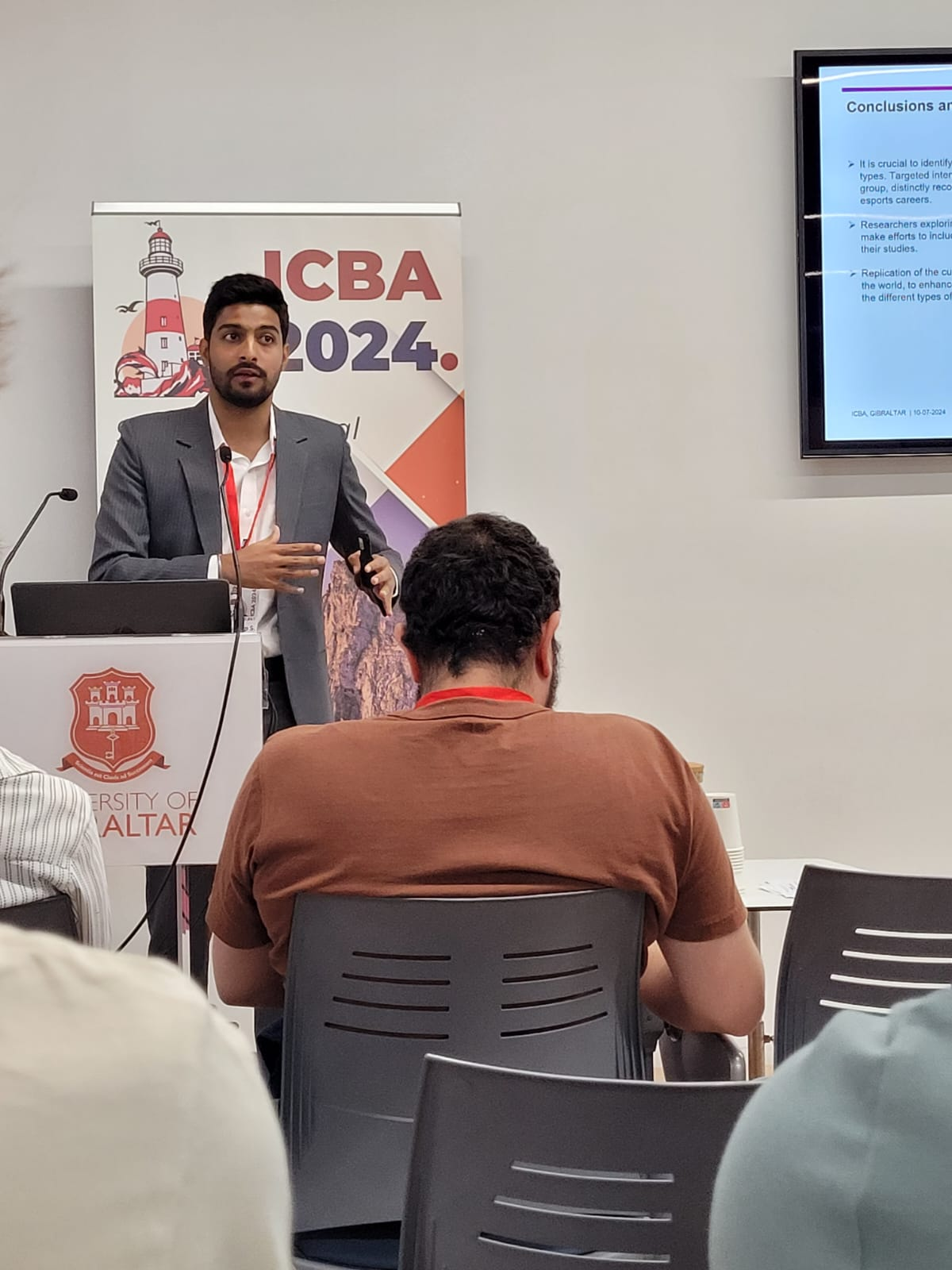
Academic collaborators:
The findings from the research hold significant relevance for the wider community, particularly in addressing the pressing issues associated with the rapid growth of esports and the gambling practices surrounding it. As esports attract a diverse audience, including underage players, it becomes crucial to understand the risks and challenges faced by these individuals to safeguard their well-being. The insights gained from the research can inform parents, educators, and community leaders about the potential negative effects of esports and gambling, fostering a more informed and proactive approach to managing these activities.
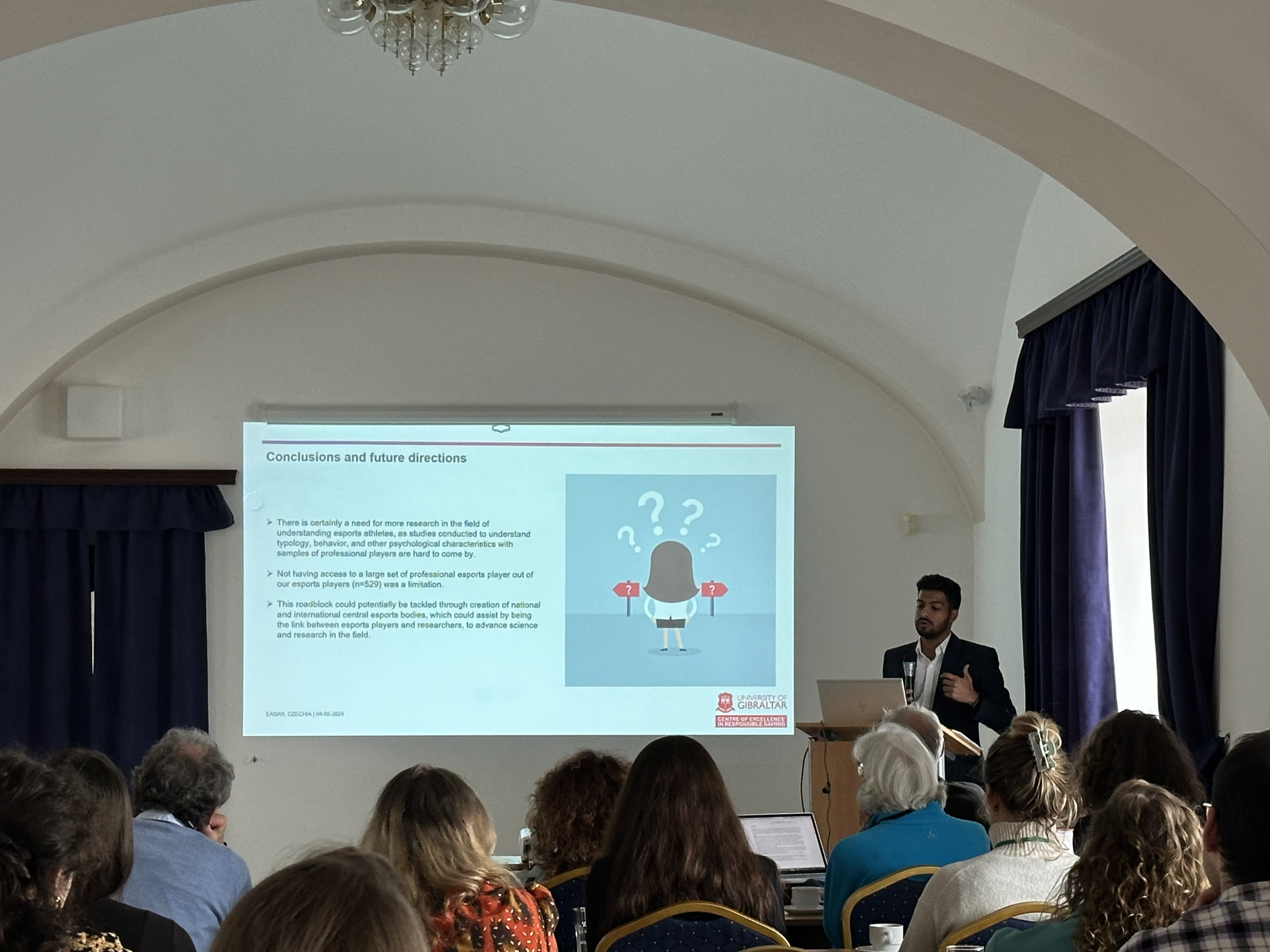
Findings from the research may inform the development of targeted interventions and support initiatives for vulnerable groups, particularly underage players. By identifying those most at risk of developing problematic esports betting behaviours and associated mental health issues, the research can guide organisations in creating tailored support programmes that address the unique needs of these individuals. Insights gained from the study have the potential to be instrumental for policymakers and industry stakeholders as they consider regulations to mitigate the risks related to esports and gambling. This research highlights the urgent need for protective measures, particularly regarding unregulated betting sites, which can expose young players to gambling-related harms. By advocating for evidence-based regulations, the study can contribute to safer gaming environments, enhancing overall consumer protection.
Publications:
Conference presentations:

© Copyright 2026 University of Gibraltar. All rights reserved. Registered charity no. 273

