MSc
Master in Marine Science & Climate Change
Designed and delivered by expert academics and scientists, this full or part-time interdisciplinary programme blends theoretical s[...]

" Journal Club is really important for various reasons. It provides a forum for students to learn how to read and understand scientific publications, effectively communicate findings, practice public speaking and learn about scientific research; especially useful for the MSc research project stage."
Ivan is from Gibraltar and a graduate of the University of Sheffield, having obtained a BSc Hons Degree in Biochemistry. He is now completing the MSc programme in Marine Science and Climate Change, that is forward thinking and directly relevant to Gibraltar and its marine environment.
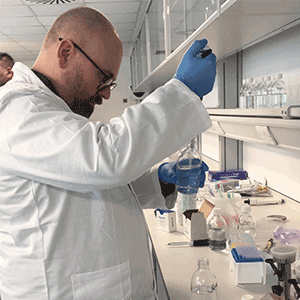
When the MSc in Marine Science and Climate Change was first announced, I immediately saw it as the opportunity I had been looking for to change direction into something I felt passionate about; the environment and climate change. I graduated in 1997 from the University of Sheffield in Biochemistry and much to my regret never continued in the scientific field, and somehow made my way into the world of design and marketing. The fact that such a current and forward thinking Masters programme was on offer in my hometown was something I couldn’t let pass by.
The MSc programme has been very helpful in furthering my skills, especially in terms of critical and analytical thinking, being able to sift through and digest large amounts of information and embracing new concepts. It has also been very helpful in terms of learning new communication skills, expressing scientific knowledge through presentations, scientific posters, creation of videos and infographics, as well as being trained to write in the style required for different types of scientific reports.
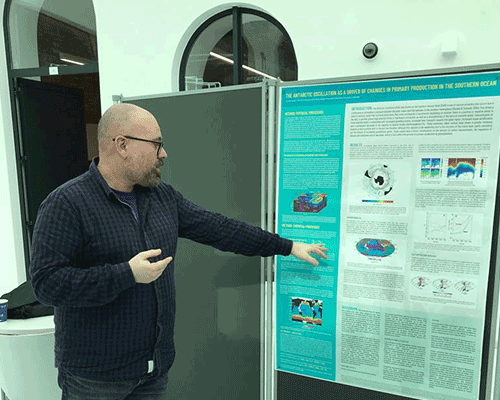
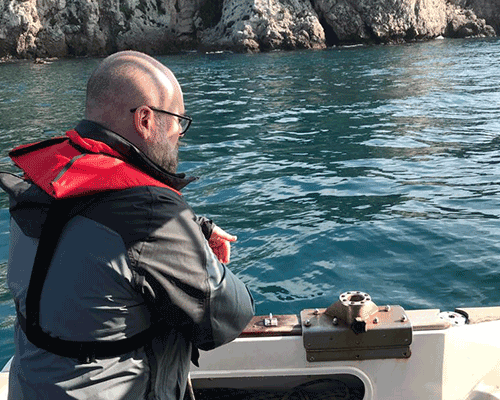
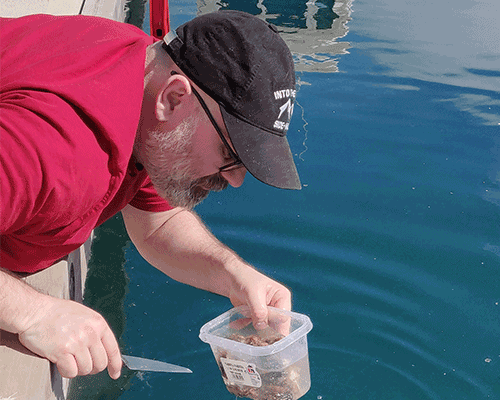
I am doing my project on identifying, classifying and quantifying marine litter in submarine canyons, specifically the Southwest Approaches, which are part of the Whittard Canyon complex in the Irish Sea. Submarine canyons act as transport conduits for sediments and organic matter from the shallow continental shelf to the deepest parts of the ocean.
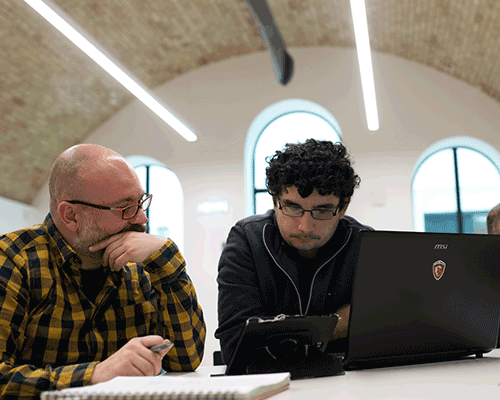
They are also biodiversity hotpots, yet the same processes that funnel nutrients into the deep are also responsible for transporting marine litter. This can be detrimental to marine life which is already affected by the additional stress of climate change in the deep sea. Studying how and where this happens and how it affects biological communities can help in supporting, adopting and creating policies to protect these vulnerable ecosystems.
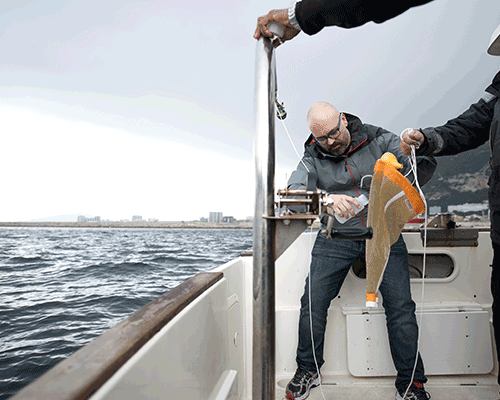
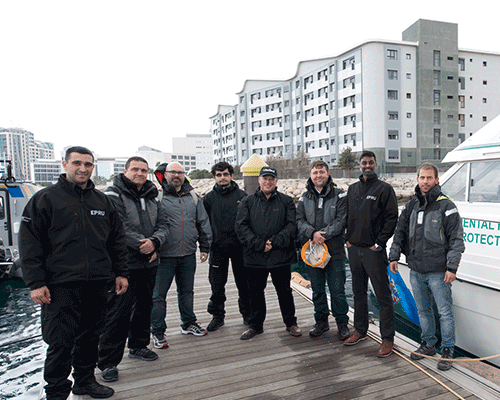
My experience has been an immensely positive one. It has been a huge challenge in many ways and a huge learning curve, but I have been given all the necessary tools and support to be able to overcome this and get to the next level. The programme is very varied in terms of subjects covered and assignments, which makes it always interesting. The programme also ensures we leave with a wide range of skills and knowledge, as well as a new appreciation of the marine environment. Now that I am getting towards the end of the programme, I can see the progress I have made, and it has incentivised me to want to continue studying and enter the field of science communication.
Designed and delivered by expert academics and scientists, this full or part-time interdisciplinary programme blends theoretical s[...]

© Copyright 2026 University of Gibraltar. All rights reserved. Registered charity no. 273

