PhD
PhD by Research
Our PhD by research programme is based on independent study, guided by your assigned supervisors and support system. It typically [...]
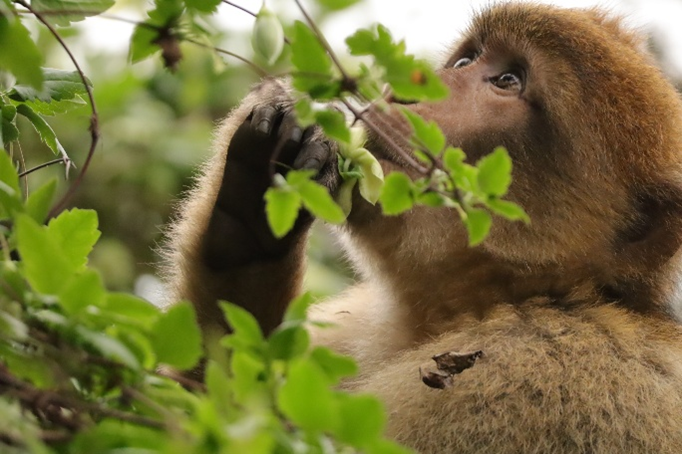
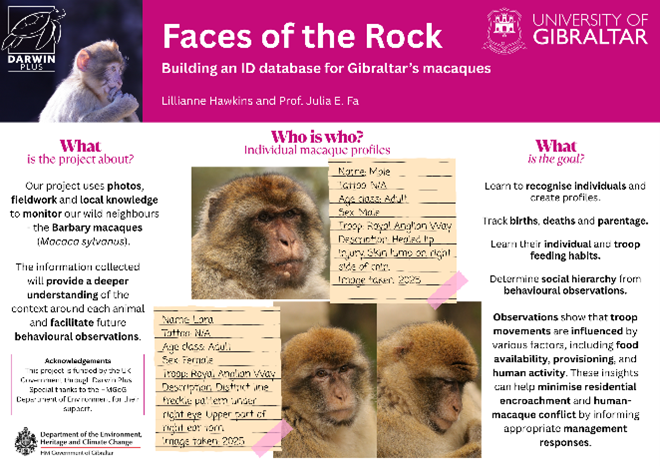
The project supports the scientific management of the local Barbary macaque population. By generating accurate data and insights into their behaviour and interactions, the project contributes to long-term, sustainable strategies for their conservation and welfare.
The project has three core aims:
Through these activities, the project promotes a deeper understanding of the local macaque population and inform policies that ensure a balanced coexistence between humans and macaques.
Funders: Darwin Plus. Project ref DPLUS217.
Project lead: Professor Julia Fa, Beacon Professor. Julia is a globally recognised expert in wildlife management and conservation. With extensive experience in applied research and policy development, Julia brings strategic guidance and academic oversight to the project.
Darwin Plus Fellow: Lillianne Hawkins. Lillianne is responsible for the day-to-day management and delivery of the project, including fieldwork, data management and stakeholder engagement.
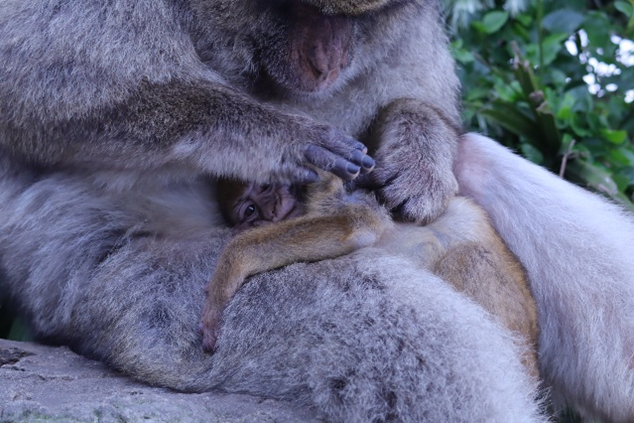
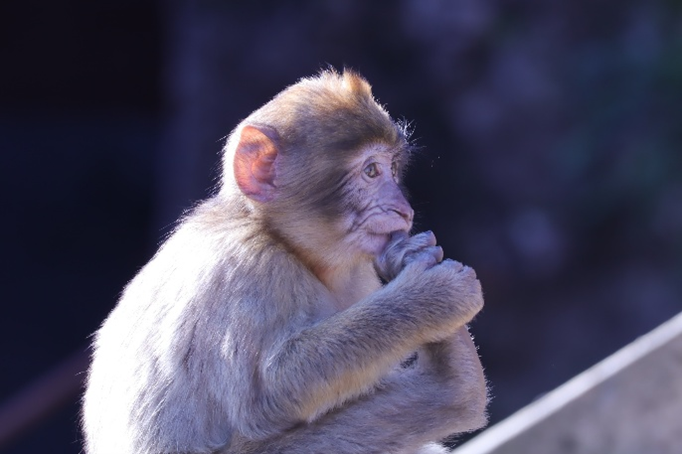
Barbary macaques are the only free-ranging primates in Europe, and Gibraltar’s population holds unique ecological, cultural, and political importance.
This project addresses a critical gap in current knowledge by producing an up-to-date census and behavioural data to inform evidence-based decision-making. The work offers insights into movement patterns, foraging behaviour, and triggers of conflict.
In conjunction with the Department of environment we are ensuring that management strategies continue to be proactive and data driven.
The result will be a scientific and practical toolkit for managing semi-wild primates in a human-dominated landscape.
This research adopts a pragmatic, field-based approach rooted in conservation biology and ethology. Fieldwork is conducted across multiple troop locations throughout Gibraltar, with observational surveys used to estimate population size and monitor individual behaviour.
Key methods include:
Research activities are supported by visits to other managed macaque populations (e.g. Trentham Monkey Forest), offering valuable comparative insights into best practices in husbandry, welfare, and management.
Ethical considerations are integral to the project, ensuring non-invasive methods and minimised disturbance to the macaques is maintained where possible.


This project is supported by a diverse group of collaborators and funders, each playing a crucial role in its delivery:
The University of Gibraltar hosts the project, offering access to academic resources, supervision, and a platform for public engagement.
This collaboration brings together science, policy, and local practice, ensuring the research remains both scientifically robust and grounded in the realities of macaque management in Gibraltar.
Barbary macaques are an iconic part of Gibraltar’s cultural identity and a major draw for tourism. However, their presence in urban areas often creates tension with residents and businesses.
Engaging the wider community is essential to the success of macaque management. Throughout the project, the team is working closely with local stakeholders to share knowledge, promote coexistence strategies, and encourage responsible interactions with wildlife.
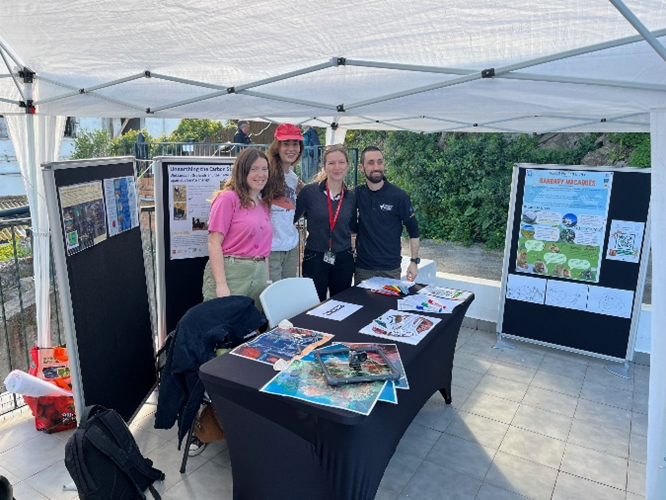
Public engagement activities include educational outreach, and participation in events such as World Wildlife Day, and the Research That Benefits Gibraltar (RTBG) conference, where the project raises awareness of conservation challenges and opportunities in Gibraltar.
Beyond public engagement, this project is producing data and tools that directly inform future management decisions and policy development. Specific impacts include:
To maximise impact, findings will be shared with policymakers. A summary report will be delivered to DESCCH and Darwin Plus, alongside presentations at relevant conferences and scientific forums.
Key outputs of the project to date include:

© Copyright 2026 University of Gibraltar. All rights reserved. Registered charity no. 273

